
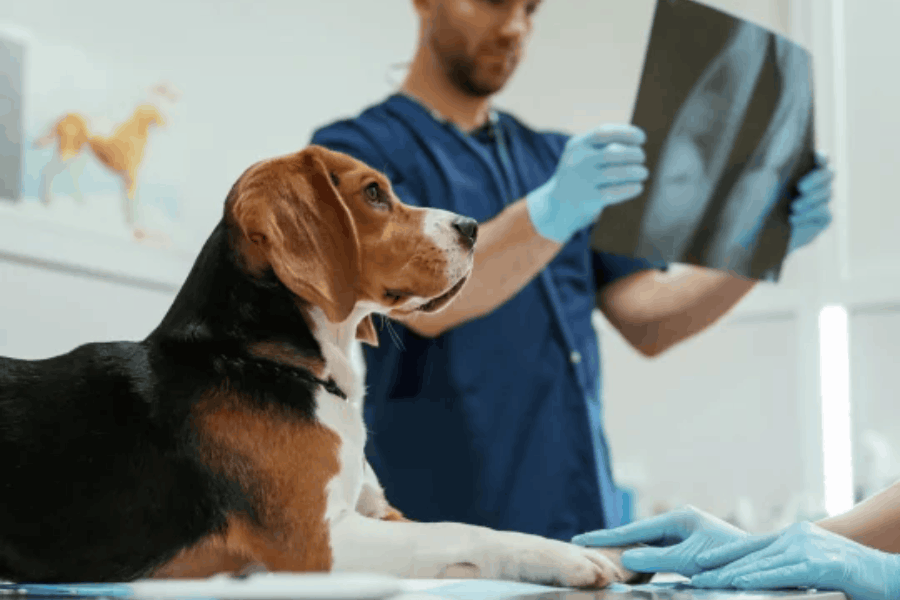
Your dog or cat may seem healthy while an underlying health problem is developing. Sometimes, the first signs are subtle, such as eating less, drinking more water, sleeping longer, or losing weight. Other conditions may cause sudden changes that need prompt attention. Diagnostic testing for pets helps veterinarians look beyond visible symptoms and understand what may be happening inside the body. Tests such as bloodwork, urine analysis, X-rays, and ultrasound provide useful information about your pet’s health. At Pound Ridge Veterinary Center in Pound Ridge, NY, diagnostic care supports informed decisions about examination, treatment, and ongoing health monitoring. Understanding these tests can help you feel more prepared when your veterinarian recommends one for your pet.
Why Is Diagnostic Testing Important for Dogs and Cats?
Diagnostic testing helps veterinarians identify health problems, investigate symptoms, and monitor how a pet responds to treatment. A physical examination provides important information, but some conditions cannot be confirmed through an examination alone.
For example, a pet with reduced appetite may have a digestive problem, an infection, or an issue involving an internal organ. Diagnostic tests help narrow down the possible causes.
| Diagnostic Test | What It Can Help Evaluate |
| Complete blood count (CBC) | Red blood cells, white blood cells, and platelets. |
| Blood chemistry | Organ function, blood sugar, proteins, and other body chemicals. |
| Urinalysis | Kidney and urinary health, along with certain metabolic changes. |
| X-rays | Bones, chest structures, and some abdominal changes. |
| Ultrasound | Internal organs, soft tissues, and fluid accumulation. |
| Fecal testing | Certain intestinal parasites and digestive concerns. |
Not every pet needs every test. Your veterinarian chooses diagnostic procedures based on the symptoms, examination findings, age, and medical history.
What Can Blood Tests Reveal About Your Pet’s Health?
Blood tests for dogs and cats can provide valuable information about the body’s internal functions. They are often recommended when a pet has unexplained symptoms, before certain procedures, or as part of health monitoring.
1. Complete Blood Count
A complete blood count (CBC) measures different types of blood cells.
It helps veterinarians assess:
- Red blood cells, which carry oxygen throughout the body.
- White blood cells, which play a role in the body’s response to infection and inflammation.
- Platelets, which help blood clot.
Changes in these values may suggest anemia, inflammation, infection, or other health concerns. However, a CBC does not identify every condition on its own. Your veterinarian may need additional tests to understand an abnormal result.
2. Blood Chemistry
A blood chemistry panel measures substances in the blood that provide information about organs and body systems.
It may help evaluate:
- Kidney function.
- Liver-related values.
- Blood sugar levels.
- Protein levels.
- Electrolytes, which help regulate important body functions.
For example, changes in kidney-related blood values may lead your veterinarian to recommend urine testing or additional monitoring.
When might bloodwork be recommended?
Your veterinarian may suggest blood testing if your pet has:
- Unexplained weight loss.
- Changes in thirst or urination.
- Reduced appetite.
- Repeated vomiting.
- Unusual tiredness.
- Suspected organ problems.
- A need for health monitoring based on age or medical history.
Bloodwork is most useful when interpreted alongside your pet’s examination and other test results.
How Do X-Rays and Ultrasound Help Diagnose Pet Health Problems?
Diagnostic imaging allows veterinarians to examine structures inside your pet’s body without relying only on external symptoms. X-rays and ultrasound are two commonly used imaging methods, but they provide different types of information.
Veterinary X-rays
X-rays use a small amount of radiation to create images of internal structures. They are especially useful for evaluating bones and certain areas of the chest and abdomen.
A veterinarian may recommend X-rays to investigate:
- Suspected bone injuries.
- Changes in the size or position of certain organs.
- Possible swallowed objects.
- Some chest or lung concerns.
- Unusual gas patterns in the digestive tract.
Veterinary ultrasound
Ultrasound uses sound waves to create images of internal organs and soft tissues. It can help veterinarians examine structures that may not be clearly evaluated through X-rays alone.
Ultrasound may help assess:
- Liver and kidney structure.
- Bladder and urinary concerns.
- Abdominal organs.
- Fluid inside the abdomen.
- Certain masses or tissue changes.
| Feature | X-Ray | Ultrasound |
| Main imaging method | Radiation-based images | Sound waves |
| Particularly useful for | Bones and selected chest or abdominal structures | Soft tissues and internal organs |
| Can help identify | Fractures, some foreign objects, and structural changes | Fluid, organ changes, and certain masses |
| Limitations | Less detail for many soft tissues | Image quality can depend on the area and examination conditions |
Sometimes both tests are needed to understand a health concern more clearly.
Why Is Urine and Fecal Testing Important for Pets?
Blood tests and imaging are not the only tools used in veterinary diagnosis. Samples of urine and stool can also provide important information about your pet’s health.
Urinalysis
A urinalysis examines the appearance and chemical properties of urine. It may also include an assessment of urine concentration and microscopic examination.
It can help investigate:
- Frequent urination.
- Straining while urinating.
- Blood in the urine.
- Changes in thirst.
- Possible kidney or bladder problems.
Your veterinarian may recommend a urine culture if a bacterial urinary infection is suspected.
Fecal testing
Fecal testing involves examining a stool sample for certain intestinal parasites and other abnormalities.
It may be recommended when your pet experiences:
- Diarrhea.
- Weight loss.
- Digestive discomfort.
- Changes in stool consistency.
- Possible exposure to intestinal parasites.
A fresh sample may be helpful, so follow your veterinary clinic’s instructions for collection and storage.
When Does Your Pet Need Diagnostic Testing?
Diagnostic testing may be recommended when your pet develops symptoms that need further investigation. It can also be useful when an animal appears healthy but has risk factors that make monitoring appropriate.
Signs that may require diagnostic evaluation
| Symptom | Tests Your Veterinarian May Consider |
| Unexplained weight loss | Bloodwork, urine testing, or imaging |
| Increased thirst | Blood chemistry and urinalysis |
| Repeated vomiting | Bloodwork and abdominal imaging |
| Persistent diarrhea | Bloodwork and fecal testing |
| Difficulty urinating | Urinalysis and imaging |
| Coughing or breathing changes | Physical examination and chest X-rays |
| Reduced activity | Bloodwork and other tests based on examination findings |
These are examples, not fixed testing rules. Your veterinarian will decide which procedures are appropriate after assessing your pet.
A Hypothetical Case Example
Imagine a senior dog named Bella who has gradually become less active and started drinking more water than usual. During her examination, the veterinarian recommends bloodwork and a urinalysis to investigate possible kidney-related changes. The results provide additional information that helps guide the next steps in Bella’s care. This example shows how diagnostic testing can help investigate symptoms that may otherwise be mistaken for normal aging.
What Should Pet Owners Expect During Diagnostic Testing?
Most routine diagnostic procedures are straightforward, although the exact process depends on the test and your pet’s condition.
Before testing, your veterinarian may:
- Review your pet’s symptoms and medical history.
- Perform a physical examination.
- Explain which tests are recommended and why.
- Discuss whether food or water restrictions are needed.
- Explain how and when results will be shared.
Some blood and urine tests can be performed using samples collected at the clinic. Imaging procedures may require your pet to remain still, and certain examinations may need additional preparation.
After testing, the veterinarian will explain the findings and whether further investigation is necessary. An abnormal result does not always mean your pet has a serious disease. It must be interpreted in context.
How Does Diagnostic Testing Help Monitor Long-Term Pet Health?
Diagnostic care is not only useful when your pet feels unwell. It can also help veterinarians monitor ongoing health conditions and assess changes over time.
For example, a pet receiving treatment for a kidney condition may need repeat blood and urine testing. Comparing new results with earlier reports can help the veterinarian understand whether the condition is stable or changing. Keep copies of your pet’s test reports when possible. They can provide a useful record of previous findings and help with future health decisions.
Conclusion
Diagnostic testing gives veterinarians a clearer picture of your pet’s health. Bloodwork, urinalysis, fecal testing, X-rays, and ultrasound each provide different information that can help investigate symptoms and monitor ongoing conditions. These tests are most useful when combined with a physical examination and your pet’s medical history. If your dog or cat shows unusual changes in appetite, weight, energy, or bathroom habits, discuss them with a veterinarian. Contact Pound Ridge Veterinary Center in Pound Ridge, NY, as they encourages pet owners to ask questions about recommended tests and understand how the results may guide their pet’s care.
Frequently Asked Questions
Q1: What is diagnostic testing for pets?
Ans: Diagnostic testing involves procedures such as bloodwork, urine analysis, fecal testing, X-rays, and ultrasound. These tests help veterinarians investigate symptoms and assess internal health conditions.
Q2: Why does my veterinarian recommend bloodwork for my dog or cat?
Ans: Bloodwork can provide information about blood cells, organ function, blood sugar, and other important body processes. It may be recommended when symptoms appear or to monitor certain health conditions.
Q3: Are X-rays and ultrasound the same for pets?
Ans: No. X-rays are useful for examining bones and certain internal structures, while ultrasound provides images of soft tissues and organs. The veterinary team at Pound Ridge Veterinary Center may recommend one or both depending on the health concern.
Q4: How long does diagnostic testing take for pets?
Ans: The time depends on the type of test and whether samples need to be sent to an outside laboratory. Some in-house tests may provide results relatively quickly, while other tests can take longer.
Q5: When should my pet have diagnostic testing?
Ans: Diagnostic testing may be recommended when your pet develops unexplained symptoms, has an ongoing health condition, or needs age-appropriate monitoring. The veterinarian will determine which tests are suitable based on the examination and medical history. You can contact Pound Ridge Veterinary Center to discuss diagnostic care for your pet.